


Belgrade – Where the Sava Meets the Danube
Belgrade is one of the few European cities whose identity is so strongly connected to two major rivers. At the point where the Sava flows into the Danube, history, culture, nature and modern city life come together in a place that has attracted travelers for centuries.
Its location at the confluence of two rivers made Belgrade an important strategic, trading and transportation center. Today, this area is one of the most recognizable landmarks of the Serbian capital and an essential stop for visitors who want to experience Belgrade from a different perspective.
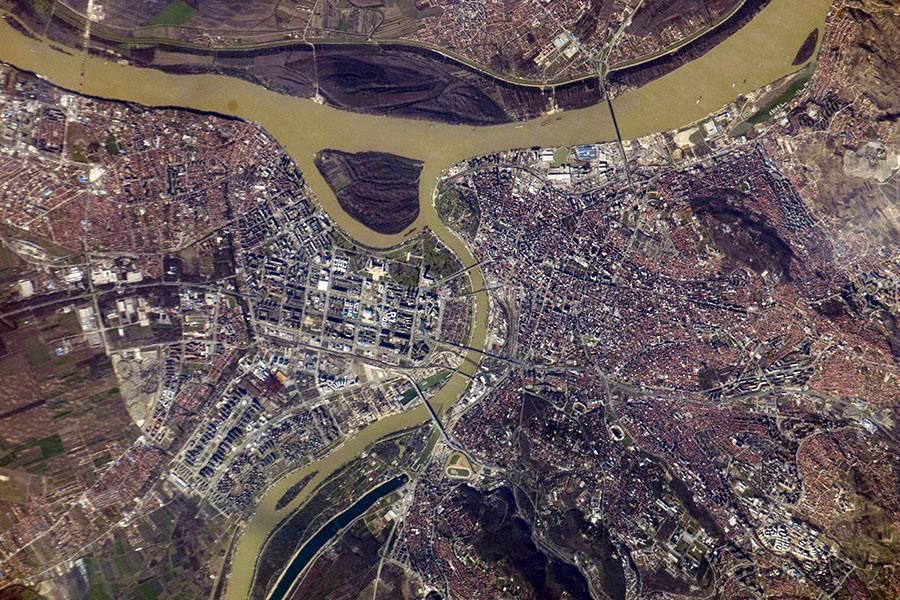
The Confluence of the Sava and Danube – Where the Story Begins
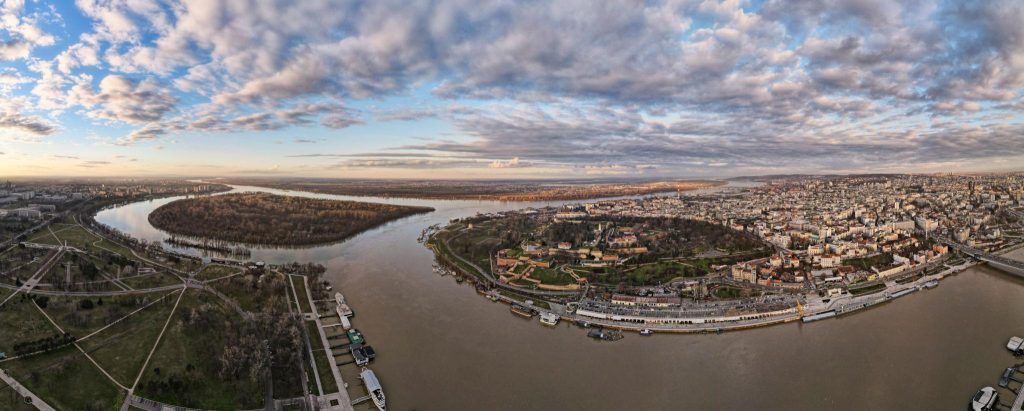
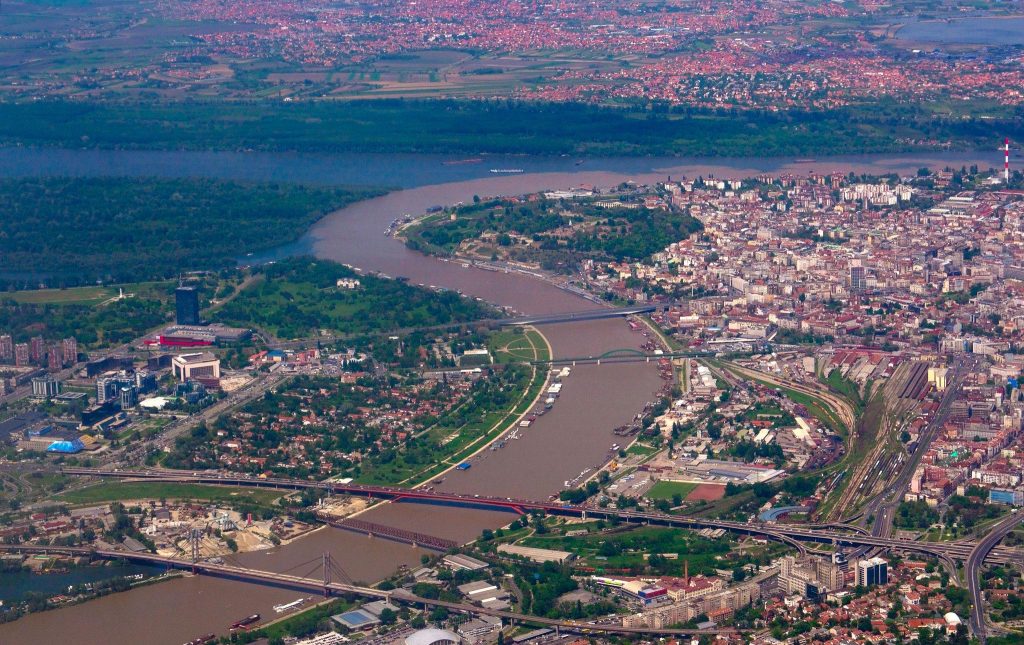
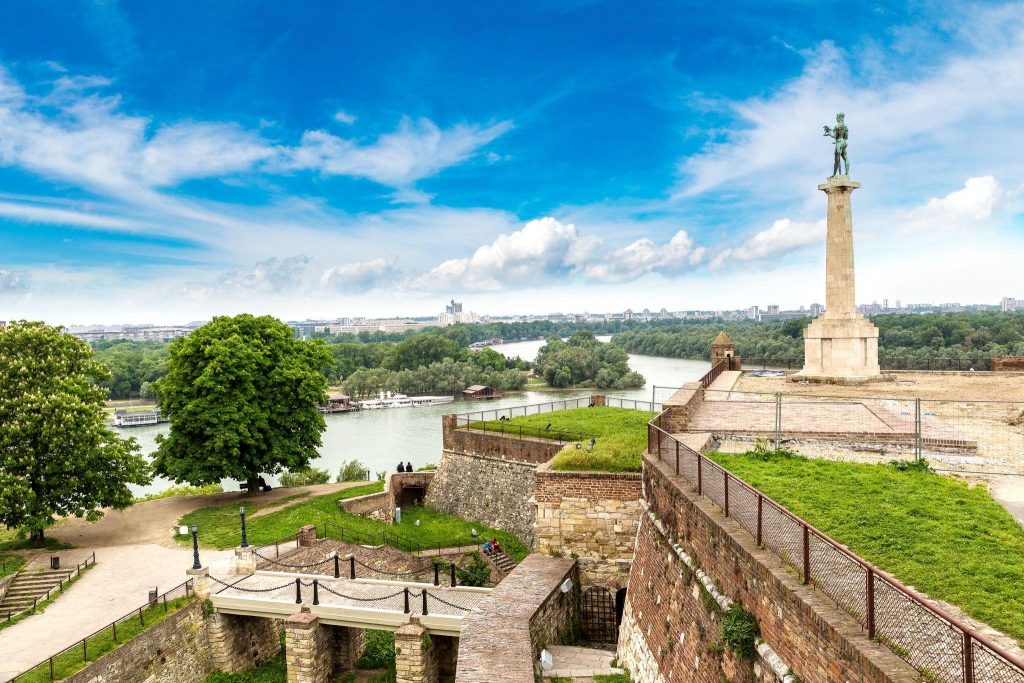
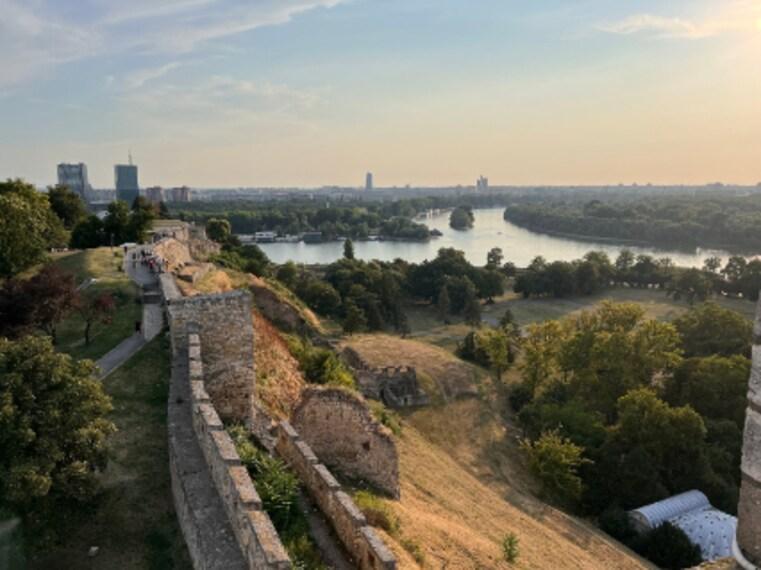
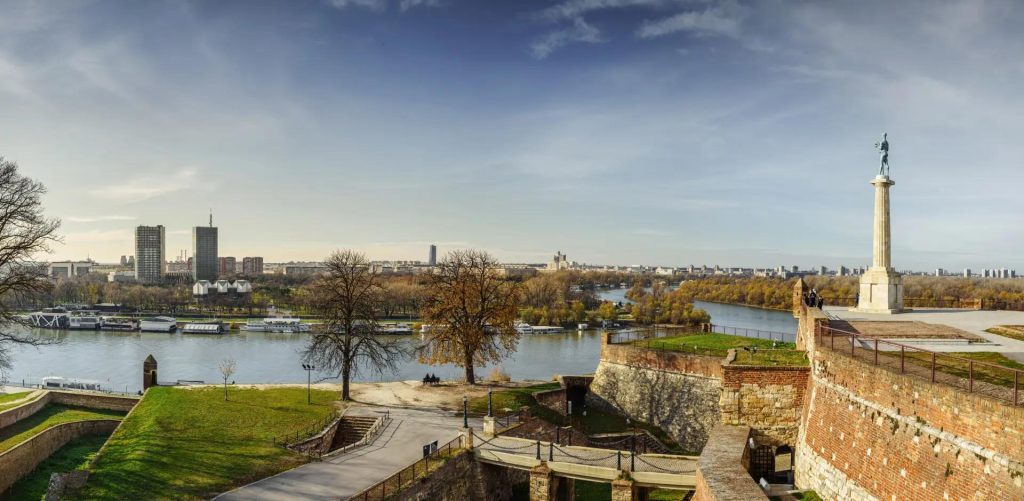
The confluence of the Sava and Danube lies below the Belgrade Fortress and is one of the most famous landscapes in the Serbian capital. From here, visitors can enjoy wide views of the Danube, Zemun and Great War Island, while the fortress walls and Kalemegdan Park rise behind them.
The two rivers become one here, but their meeting is more than just a natural phenomenon. Throughout history, the confluence played an important role in the development of Belgrade and its position between different civilizations and states.
Today, this is an ideal place for walking, photography and enjoying panoramic views of the city. The area is especially attractive in the late afternoon, when the changing light over the rivers creates a particularly atmospheric setting.
Belgrade Fortress – Guardian of the Confluence
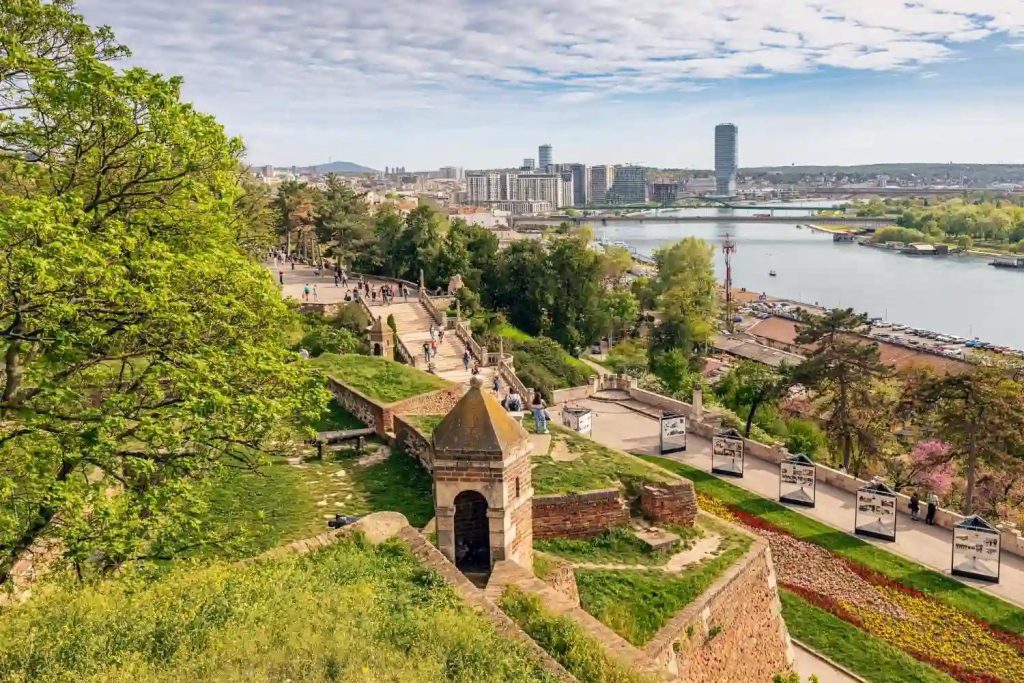
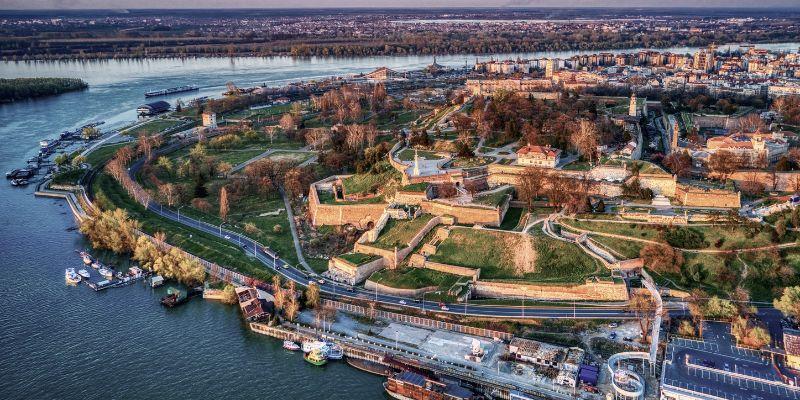
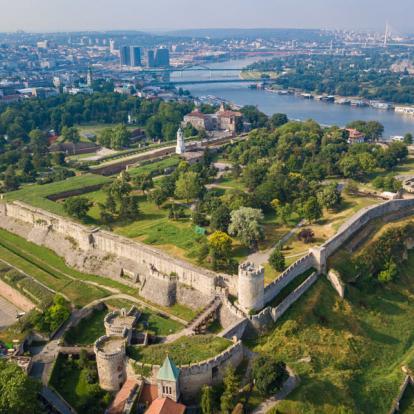
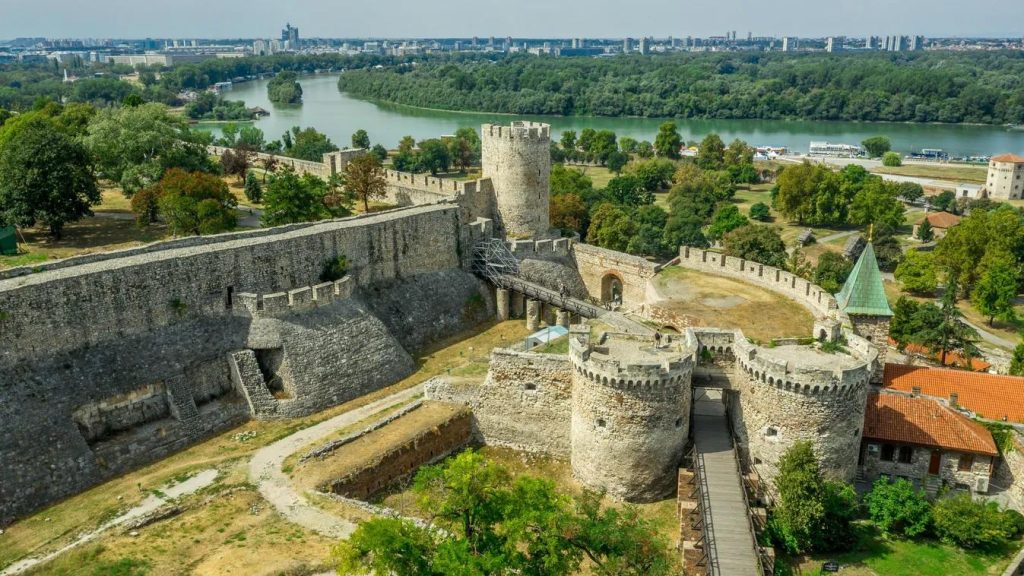
Above the confluence stands Belgrade Fortress, one of the most important historical complexes in Serbia. Its location was no coincidence – its position above the Sava and Danube provided an exceptional strategic advantage for centuries.
The fortress changed its appearance throughout history and witnessed numerous conflicts. Today, it is one of Belgrade’s most visited landmarks and a place where historical heritage meets parks, walking paths and panoramic viewpoints.
Walking along the fortress walls and finding one of the viewpoints overlooking the rivers offers an opportunity to see the Sava, Danube and Great War Island at the same time.
For tourists, Belgrade Fortress is much more than a historical monument. It is a place where visitors can best understand why Belgrade developed precisely here.
Kalemegdan – A Park Overlooking Two Rivers
Today, Kalemegdan is one of the favorite places for walking among both Belgrade residents and tourists. Its spacious park, historical fortifications, monuments, tree-lined paths and viewpoints make it a natural continuation of a visit to Belgrade Fortress.
From its terraces, visitors can enjoy views of two major European rivers. The Danube stretches toward the north, while the Sava arrives from the west and completes its journey precisely at this point.
For those who want to understand Belgrade as part of the Sava River Basin, Kalemegdan is one of the best places to begin. Here, it is easy to see how strongly the river has shaped the city’s landscape and history.
Great War Island – Nature at the Heart of the City
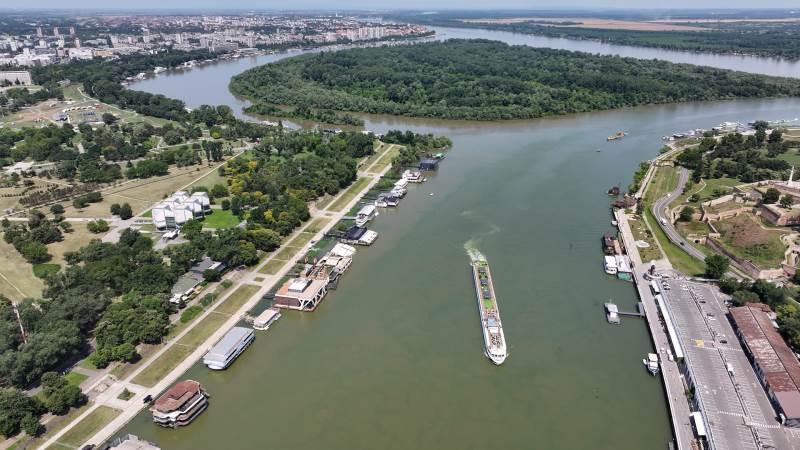
Opposite Belgrade Fortress lies Great War Island, an important natural area at the meeting point of the Sava and Danube.
The island is an essential part of Belgrade’s river landscape and provides habitat for numerous plant and animal species. Its natural value becomes especially apparent in contrast with the urban environment surrounding it.
One of the most famous views of the island can be enjoyed from Kalemegdan. During the warmer months, visitors can also experience this part of Belgrade from the river itself.
Great War Island therefore represents an important connection between urban and nature tourism, further enriching Belgrade’s tourist offer.
The Sava Riverfront – The Modern Face of Belgrade
From the historic center, the route continues toward the Sava riverfront, where visitors can discover the modern side of Belgrade.
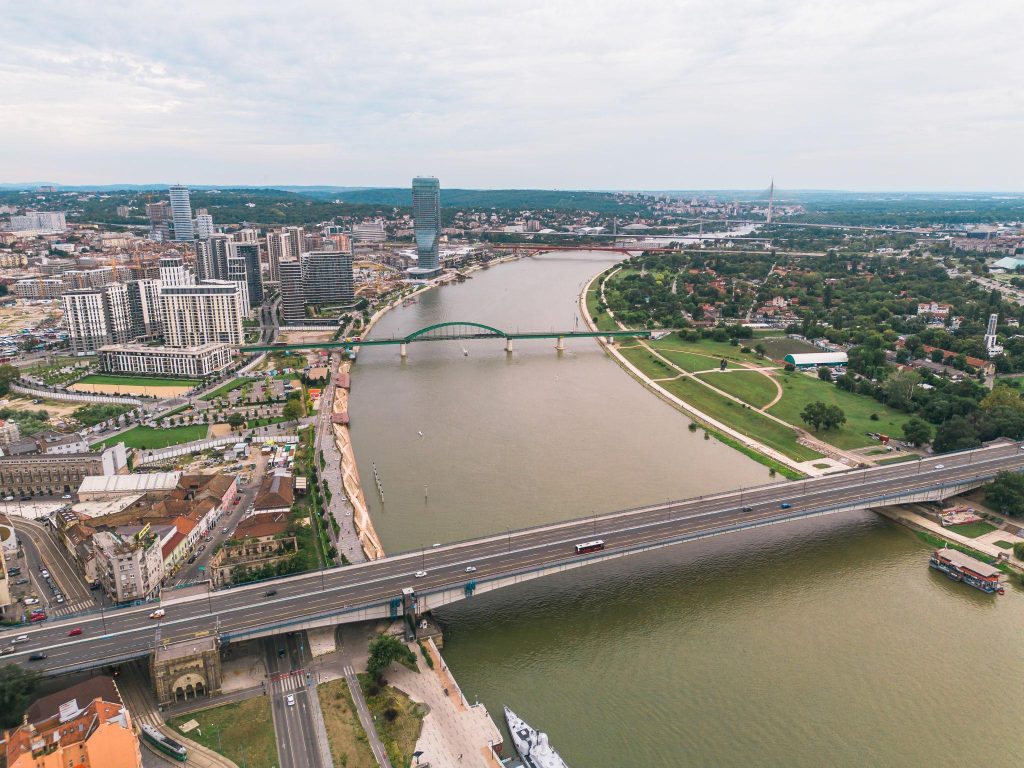
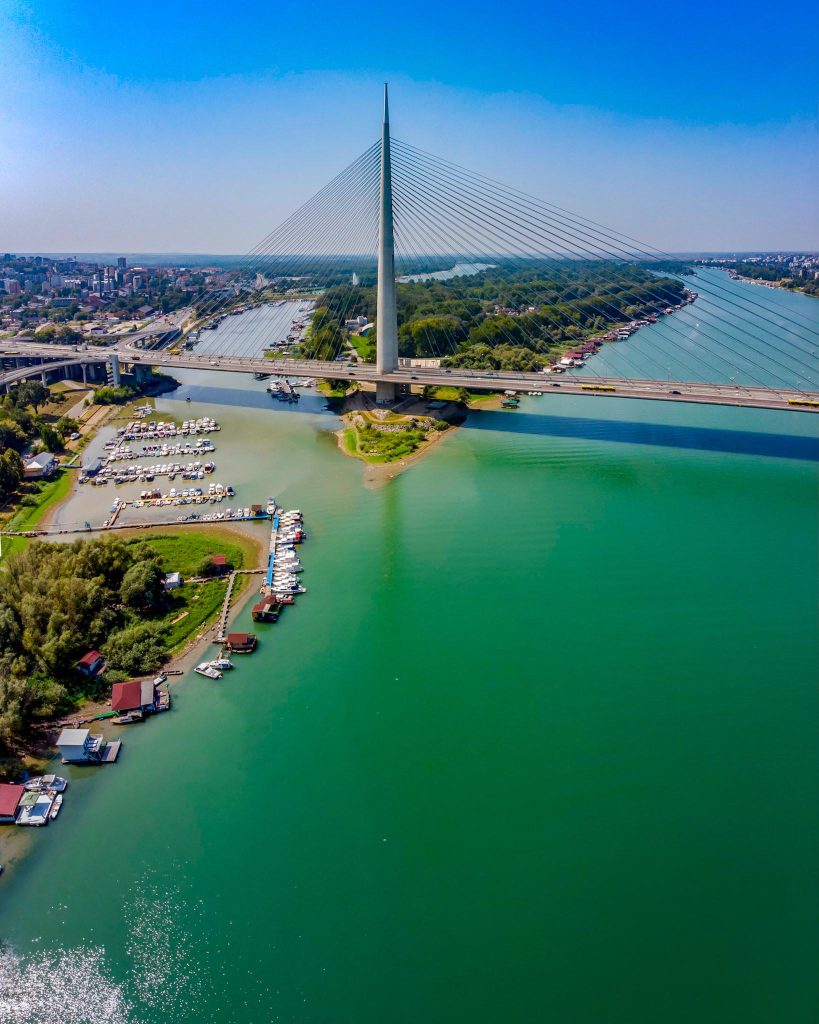
A walk along the Sava provides a different experience of the city. Instead of medieval walls and historic monuments, visitors encounter modern buildings, restaurants, cafés, marinas, promenades and recreational areas.
A particularly notable part of the riverfront is Belgrade Waterfront, a modern development that has transformed part of the Sava riverbank. Its promenade offers opportunities for walking along the river, while views toward the historic center provide a reminder of Belgrade’s long history.
The Sava riverfront creates a fascinating contrast with Belgrade Fortress and Kalemegdan – from historic fortifications to modern architecture, all within a relatively small area.
Ada Ciganlija – Belgrade’s “Sea”
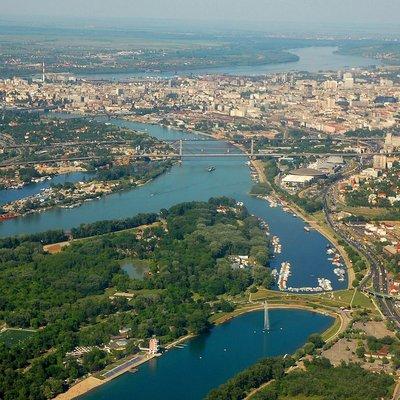
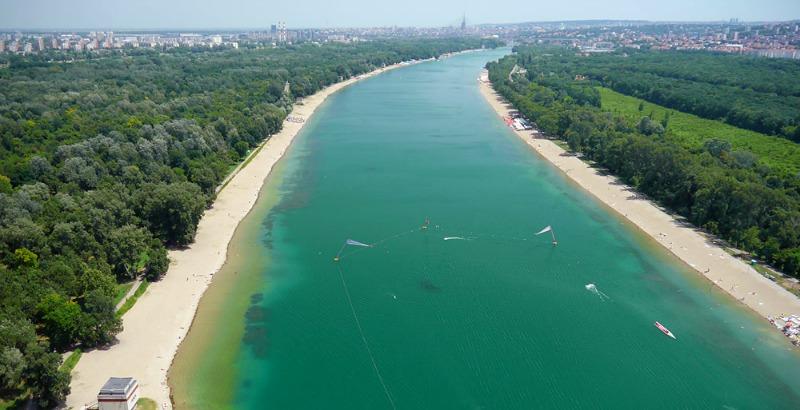
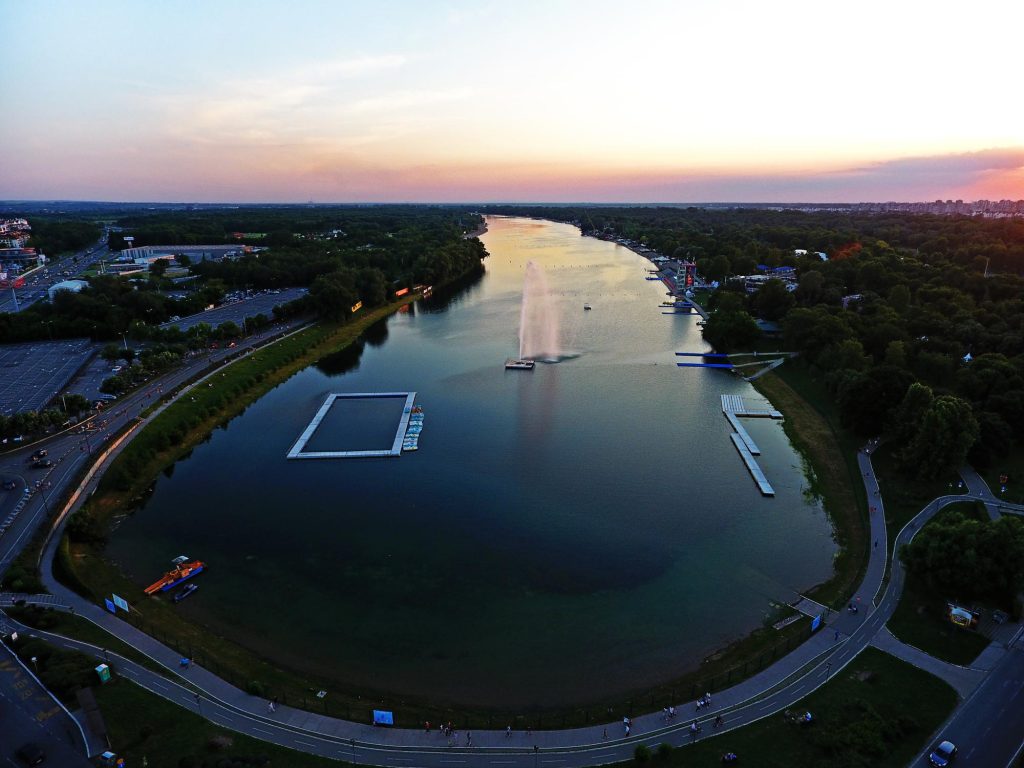
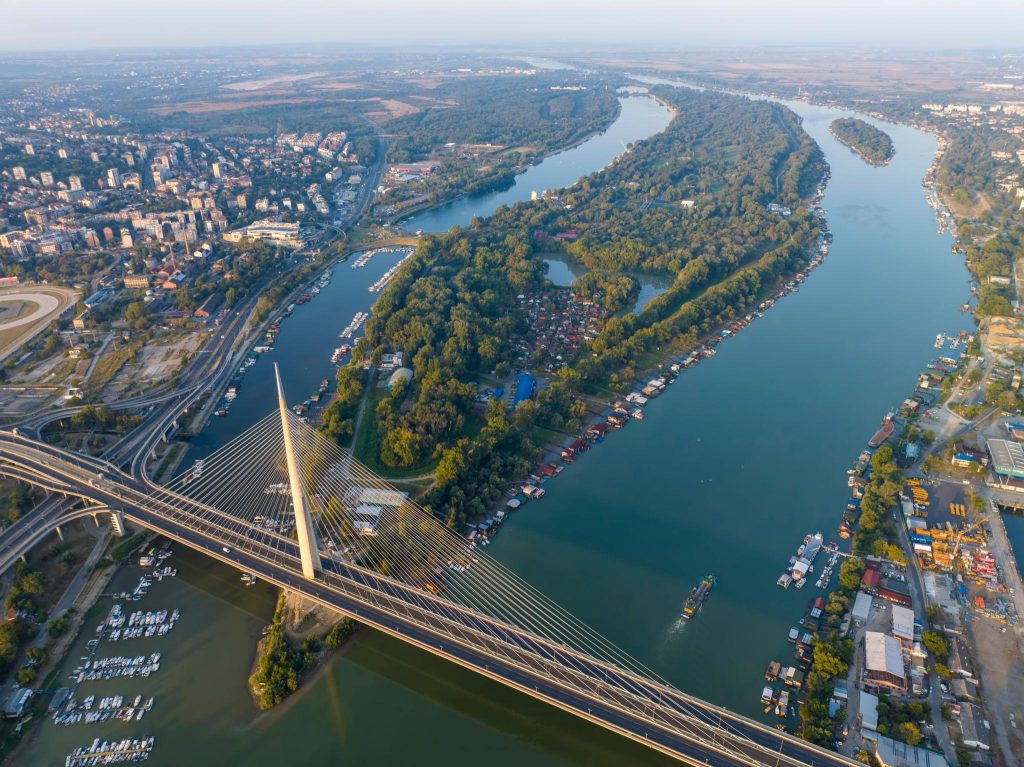
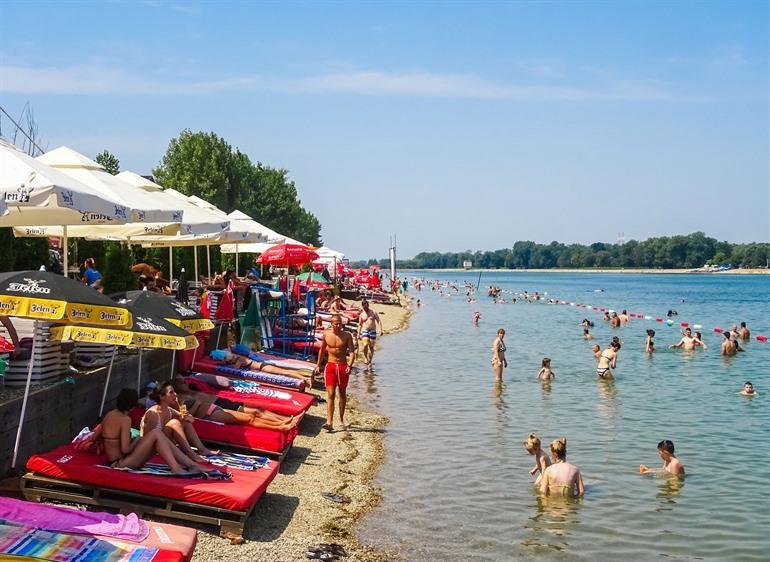
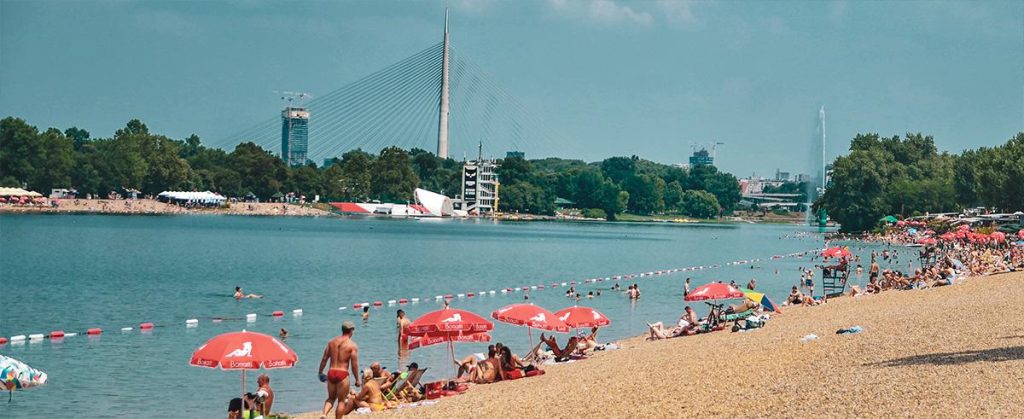
Downstream from the city center lies Ada Ciganlija, one of Belgrade’s most popular places for recreation and relaxation.
Although the Sava is far from its confluence with the Danube here, the river is essential to Ada’s identity. Beaches, sports facilities, cycling and walking paths, restaurants and numerous recreational activities make the area particularly attractive during the warmer months.
Ada demonstrates another side of Sava tourism – one that is not based solely on history and cultural heritage, but on relaxation, sports, recreation and spending time in nature.
Belgrade from the River – A Different View of the City
One of the best ways to experience Belgrade is to see it from the water.
Cruising along the Sava and Danube provides a completely different perspective. Belgrade Fortress takes on a new appearance, Kalemegdan looks even more monumental, and the confluence of the two rivers becomes the central feature of the panorama.
A boat trip allows visitors to see the historic center, Sava riverfront, New Belgrade, Zemun and Great War Island from a unique perspective.
For tourists, this is an especially interesting way to discover Belgrade as a city of two rivers.
Zemun – Another Story Along the Danube
After the Sava flows into the Danube, the journey naturally continues toward Zemun, one of the most recognizable parts of Belgrade.
Zemun’s riverfront, Gardoš Tower, Zemun Quay and historic architecture create an atmosphere quite different from central Belgrade.
A walk along Zemun Quay can be a natural continuation of a tourist route that begins at Kalemegdan and follows the Danube. In this way, visitors can connect the confluence, fortress, rivers, Great War Island and Zemun into one complete experience.
Belgrade as a Tourist Destination in the Sava River Basin
Belgrade holds a special place in the story of the Sava River Basin because this is where the Sava completes its journey and flows into the Danube.
The city can therefore serve as an important final destination on a tourist route following the Sava from Slovenia, through Croatia and Bosnia and Herzegovina, to Serbia.
Belgrade’s tourism offer along the Sava can be presented through a variety of attractions:
- 🌊 the confluence of the Sava and Danube,
- 🏰 Belgrade Fortress and Kalemegdan,
- 🌳 Great War Island,
- 🚶 promenades along the Sava and Danube,
- 🏙️ modern architecture and Belgrade Waterfront,
- 🏖️ Ada Ciganlija,
- ⛵ boating and river tourism,
- 📷 numerous panoramic viewpoints,
- 🏛️ historical and cultural heritage,
- 🌿 nature and recreational areas.
Where History Meets the River
Belgrade is a city that can best be understood through its relationship with its rivers.
In one place, visitors can encounter traces of ancient and medieval times, a fortress that guarded the city for centuries, parks and natural areas, modern architecture and lively riverfronts.
And at the heart of it all is the confluence of the Sava and Danube.
This is where the Sava’s journey ends, but at the same time a new story begins – the story of the Danube and its journey across Europe.
For travelers who want to discover Serbia through history, culture, nature and river tourism, Belgrade is one of the most important destinations in the Sava River Basin.
Ada Ciganlija, Belgrade, Belgrade Fortress, Belgrade Waterfront, confluence of the Sava and Danube, Danube River, Great War Island, Kalemegdan, river tourism, Sava River, Sava River Basin, Serbia, tourism
