


Šabac and Sremska Mitrovica – Following the Traces of History Along the Sava
For centuries, its banks have been a meeting place of civilizations, trade routes, military campaigns and the development of cities. In Serbia, this history can be felt particularly strongly in Šabac and Sremska Mitrovica – two cities that, thanks to their location along the Sava, have become interesting destinations on the tourist map of this part of the country.
One city preserves the memory of a turbulent history shaped by a strategically important fortress, while the other hides beneath its modern streets the remains of one of the most important cities of the Roman Empire. Together, they offer an attractive tourist route for anyone who wants to combine history, culture, riverside scenery and a journey through the past.
Šabac – A City That Grew Along the Sava
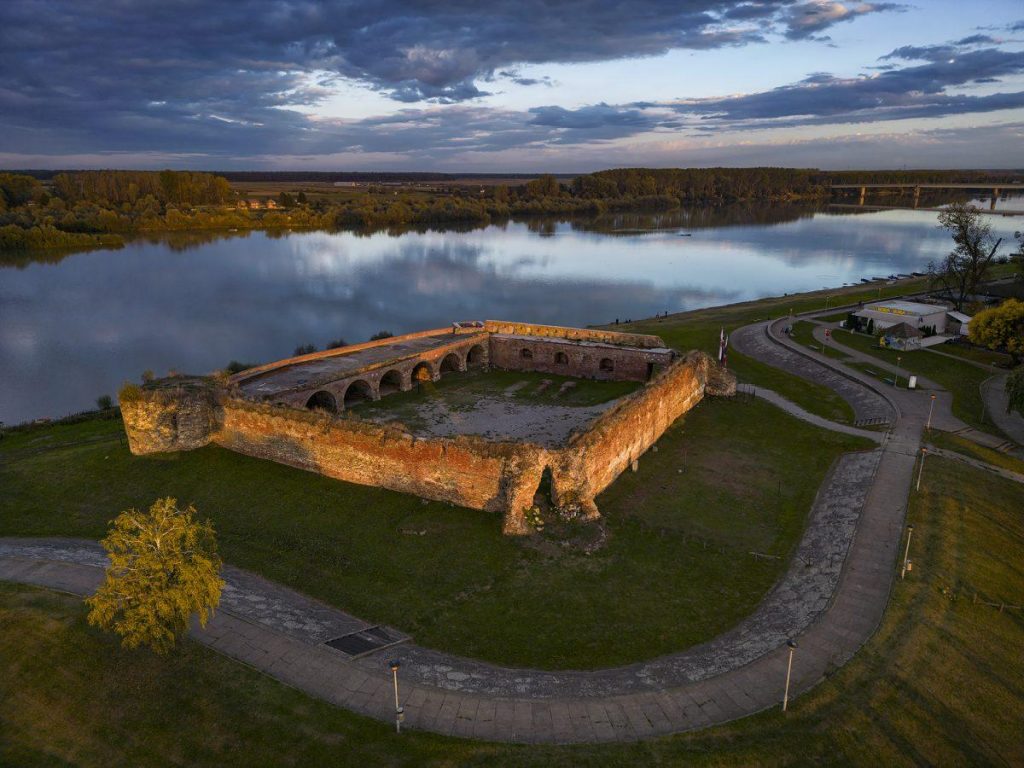
Šabac is located on the right bank of the Sava, in the Mačva region, and for centuries has been closely connected with the river, which played an important economic and strategic role. Its location made it an important point on the routes connecting Mačva, Srem and the interior of Serbia.
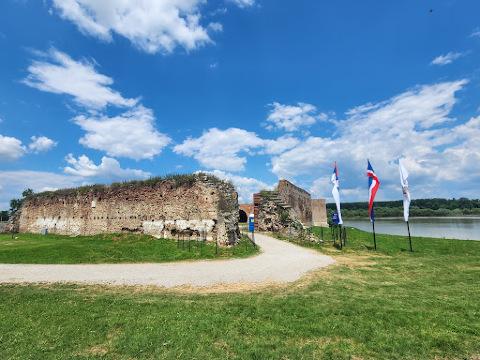
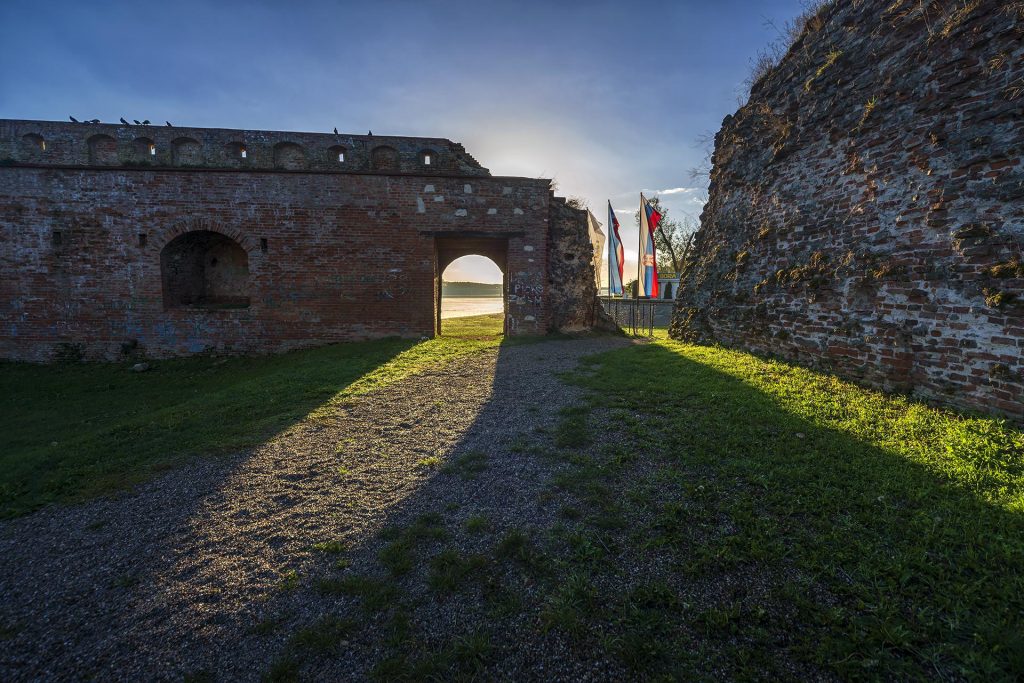
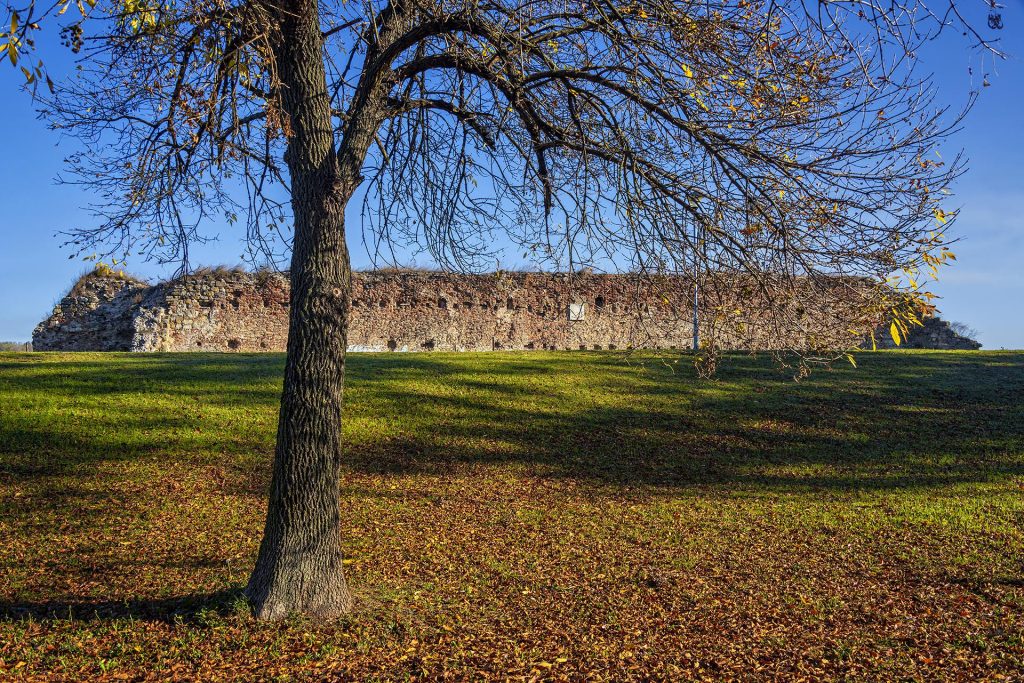
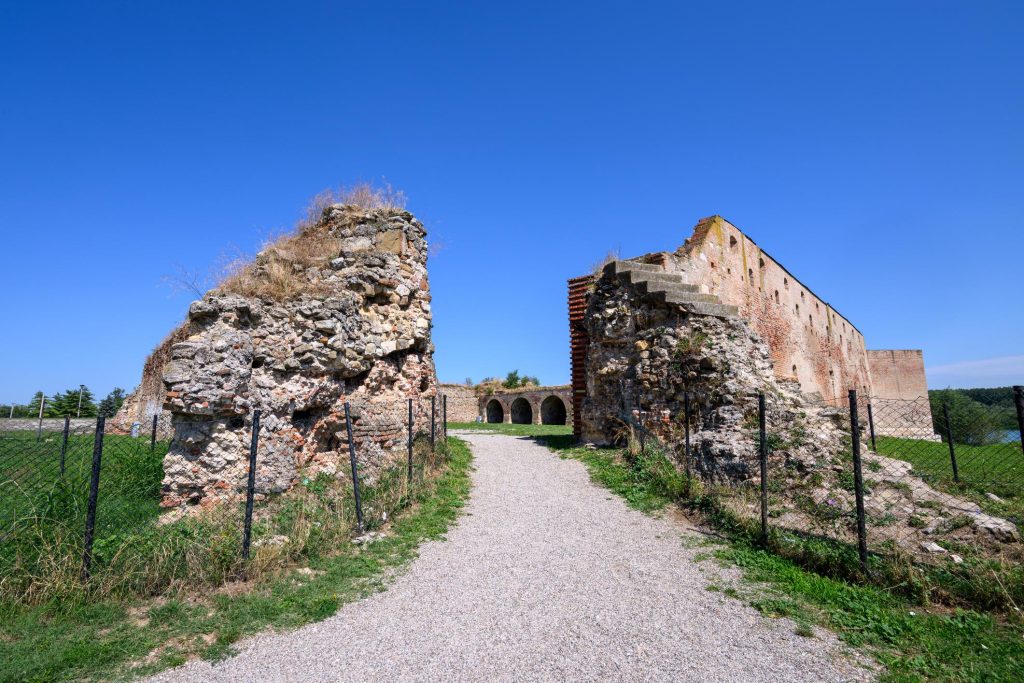
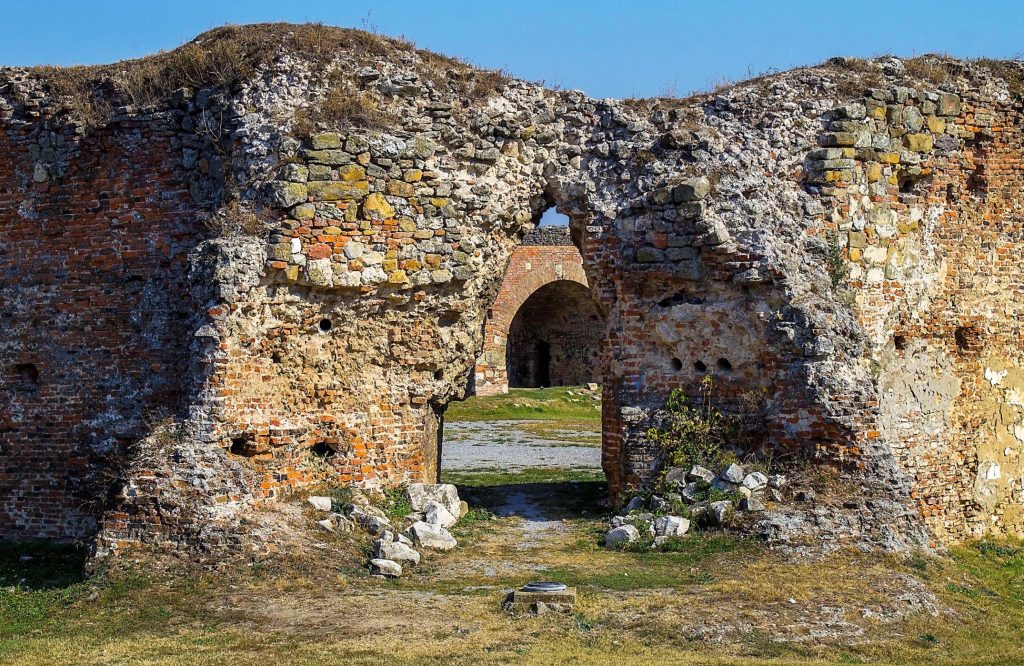
The most famous reminder of this turbulent past is undoubtedly Šabac Fortress, located directly beside the Sava. Its remains are among the most interesting places to visit when exploring the city. The fortress was established in the 15th century, and throughout its history it was modified and expanded by different rulers.
Today, the fortress is no longer a place of military conflict, but rather a space for walking, relaxation and cultural events. The view of the Sava is particularly impressive, as the river itself best explains why this location was so important for centuries.
A walk along the Sava can continue through modern Šabac, where historical heritage blends with contemporary city life. The riverfront offers opportunities for relaxation, recreation and enjoying views of the wide Sava River.
Sremska Mitrovica – A City Built Above Sirmium
If Šabac tells the story of a fortress and a strategic location, Sremska Mitrovica tells the story of one of the most important cities of the ancient world.
Today’s Sremska Mitrovica stands on the site of ancient Sirmium, a Roman city that reached its peak in the 3rd century and became one of the four capitals of the Roman Empire.
The Romans conquered Sirmium toward the end of the 1st century BC, and over the following centuries the city developed into an important military, administrative and economic center. Numerous Roman emperors stayed here, and the city was connected with major military campaigns and important political events of the Roman Empire.
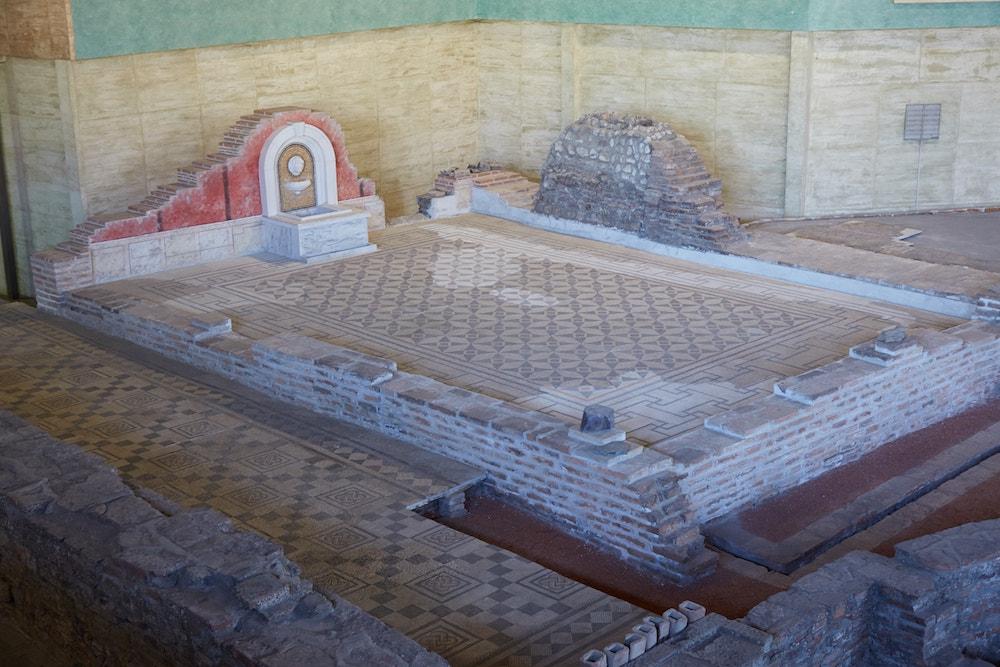
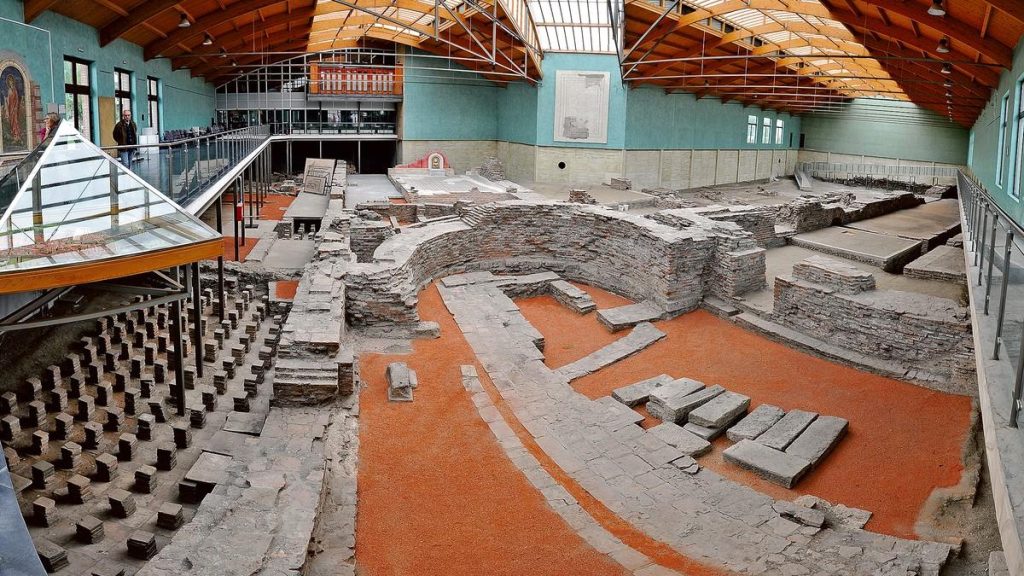
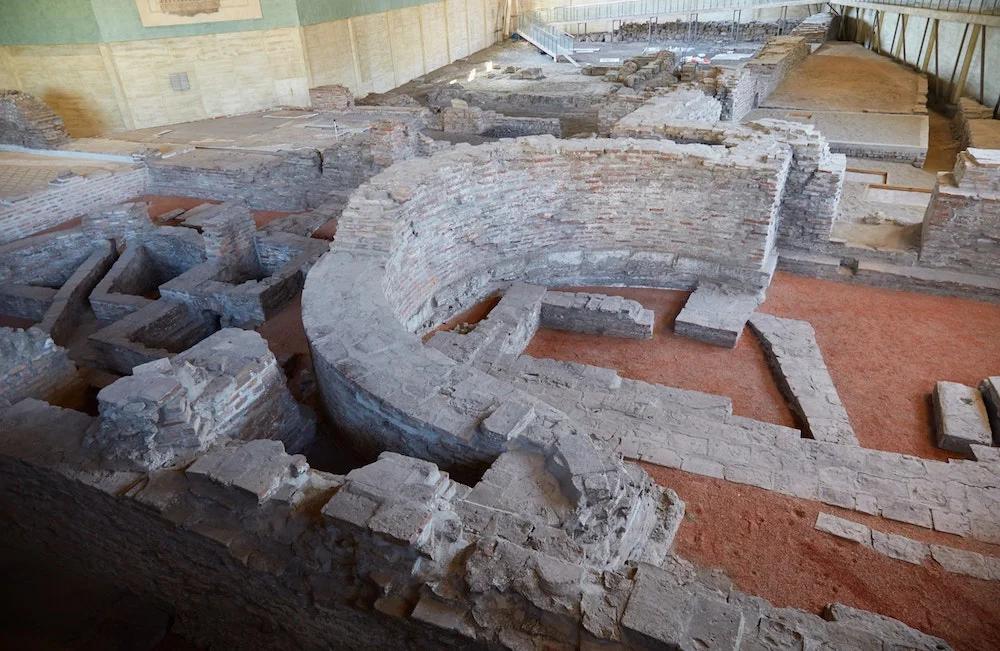
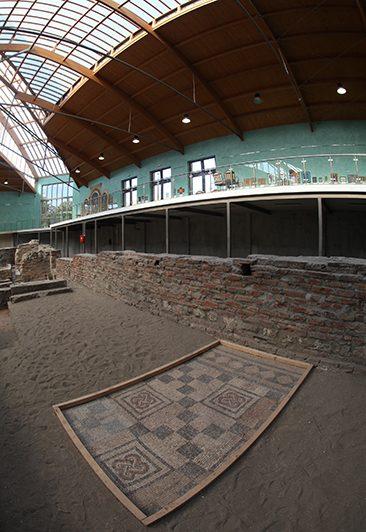
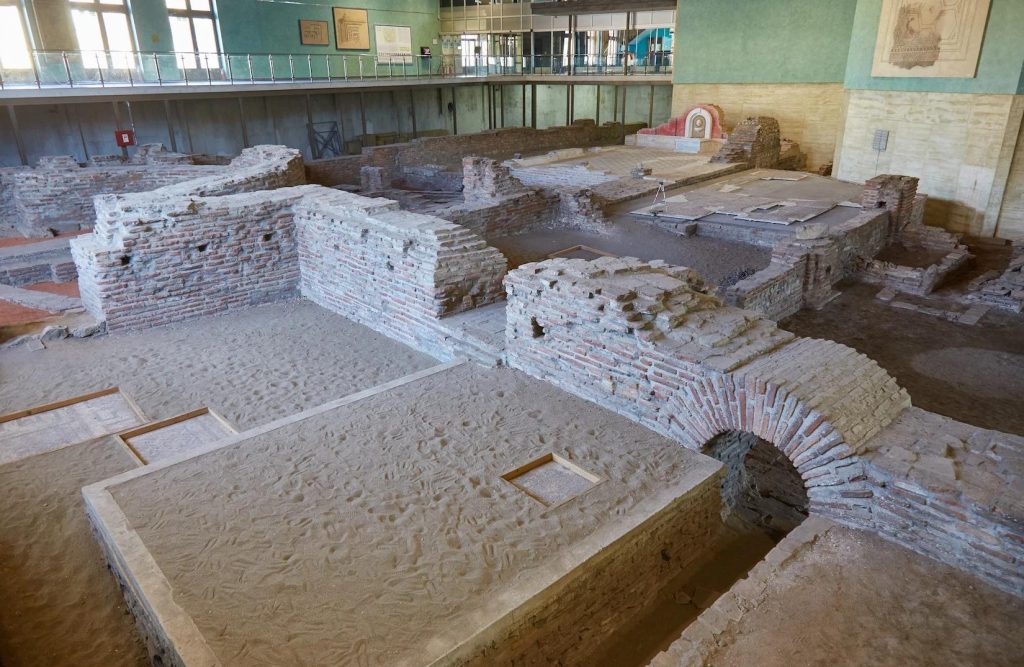
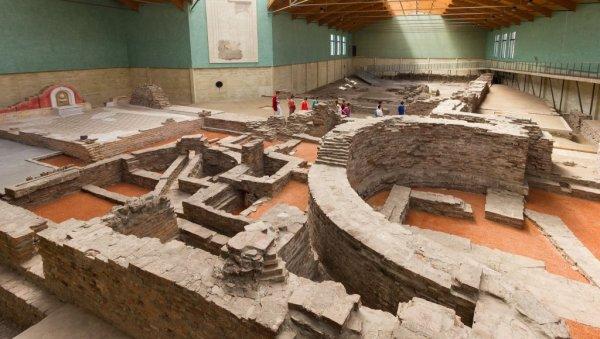
Today, traces of this era can be seen at the archaeological site of the Imperial Palace, where the remains of a monumental complex, walls and mosaics have been preserved.
For visitors, one of the most fascinating facts is that the ancient city lies practically beneath modern Sremska Mitrovica. The past and the present are not separated here – they exist one above the other.
The Imperial Palace – A Journey into Roman Heritage
A visit to the Imperial Palace is one of the main reasons to come to Sremska Mitrovica. The archaeological remains provide visitors with an impression of the scale and grandeur of ancient Sirmium.
Parts of rooms, walls and floor mosaics have been preserved, while the protective structure allows visitors to explore the site in different weather conditions.
Sirmium’s importance is further highlighted by the fact that it was one of the most important cities of the Late Roman Empire. The archaeological site includes the remains of the Imperial Palace and a Roman circus, an exceptionally significant example of this type of structure in Serbia.
The Sava – A Common Thread Between Two Historical Stories
Although Šabac and Sremska Mitrovica differ in character and historical heritage, they are connected by one important feature – the Sava River.
For centuries, the river served as a natural transportation route, a source of life and an important factor in the development of settlements. Today, it has taken on a new role in tourism.
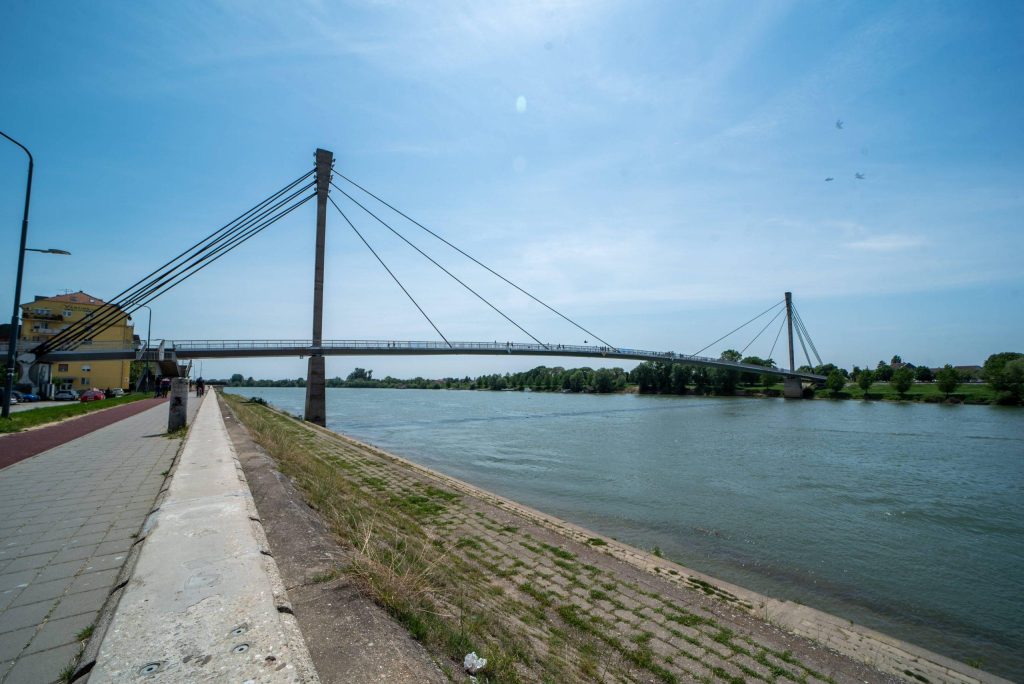
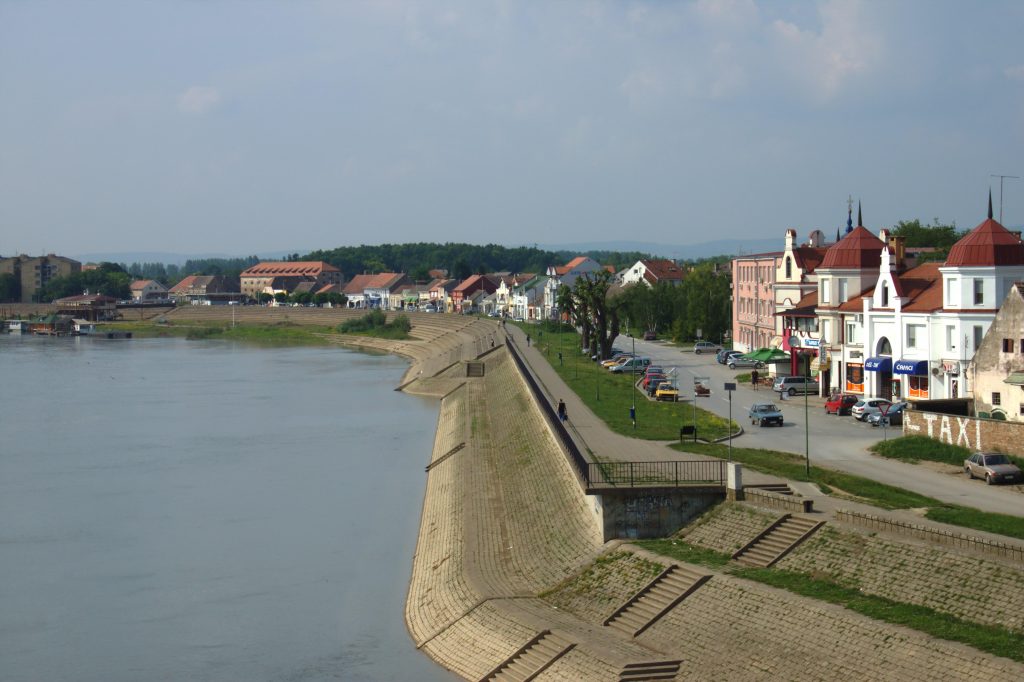
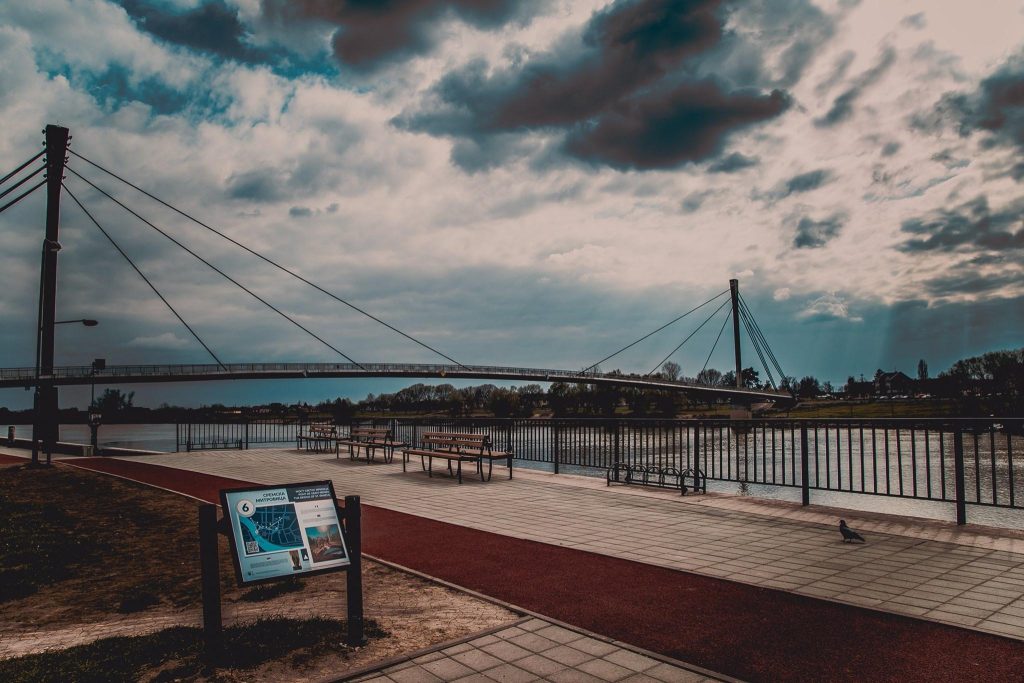
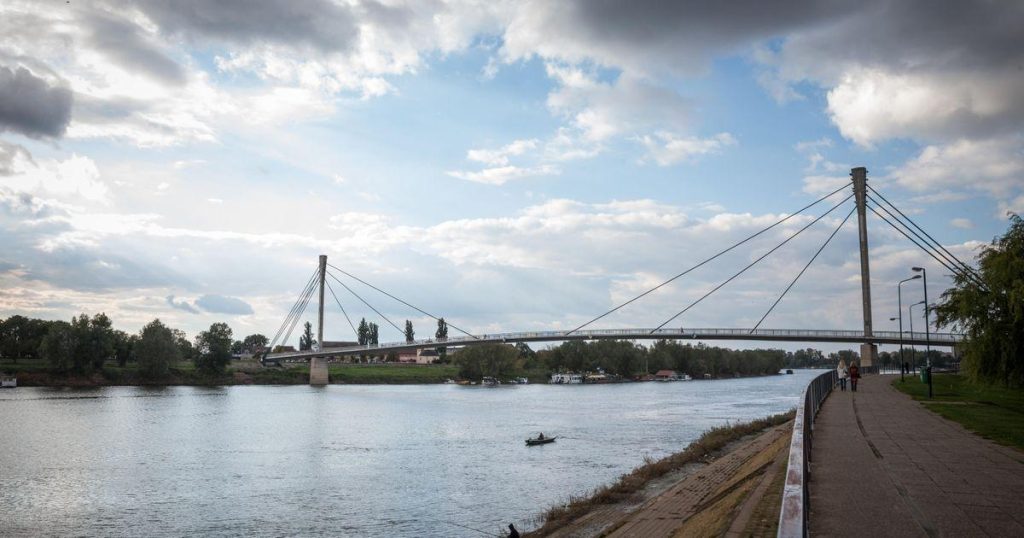
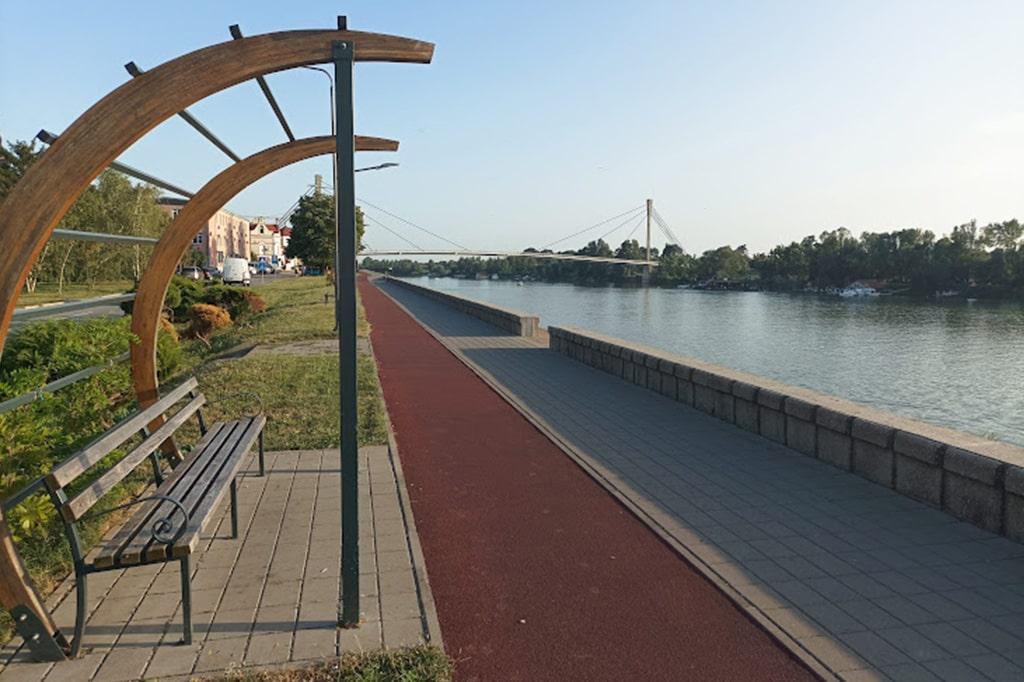
In Sremska Mitrovica, the Sava riverfront has been developed as an area for walking and recreation, offering views of the river and the surrounding landscape.
This is why a visit to Sremska Mitrovica does not have to end with archaeological sites. After discovering ancient Sirmium, visitors can continue toward the Sava and experience the modern city along its riverfront.
Ottoman period, Austro-Hungarian rule and the modern era.
For this reason, the city can be viewed as a kind of open-air museum. Its history is not preserved only at archaeological sites, but also in city squares, streets, museums and architecture.
Šabac and Sremska Mitrovica as a Tourist Route
These two cities can also be viewed as part of a broader tourism story about the Sava River Basin.
The route can begin in Šabac with a visit to Šabac Fortress and a walk along the Sava, before continuing toward Sremska Mitrovica. There, the central attractions would be Sirmium, the Imperial Palace, the Museum of Srem and the city’s riverfront.
Such a route combines several different tourist experiences:
- 🏰 historical and military heritage,
- 🏛️ Roman and archaeological heritage,
- 🌊 riverside tourism along the Sava,
- 🚶 walking and recreation,
- 🏺 museums and cultural attractions,
- 📷 attractive photography locations,
- 🌳 nature and the landscapes of Posavina and Srem.
A Journey Through Time Along the Sava
Šabac and Sremska Mitrovica demonstrate how profoundly a river can shape the history of an entire region.
In Šabac, the Sava flows beside the remains of a fortress that recalls centuries of wars and changing borders. In Sremska Mitrovica, the same river flows beside a city whose foundations preserve the remains of ancient Sirmium, one of the capitals of the powerful Roman Empire.
That is why traveling between these two cities is more than simply going from one tourist destination to another. It is a journey through different historical eras – from Roman emperors and medieval fortresses to modern riverside promenades along the Sava.
For travelers who want to discover Serbia through its history, culture and natural landscapes, Šabac and Sremska Mitrovica are excellent destinations on the tourist map of the Sava River Basin.
history, Imperial Palace, Šabac Fortress, Sava River, Sava River Basin, Serbia, Sirmium, Srem, tourism
